POULTRY MIX represents a scientifically formulated range of high-performance vitamin–mineral premixes developed to meet the specific metabolic and physiological demands of poultry throughout their life cycle — from early growth to egg production.
Each formula provides a precisely balanced ratio of macro- and microelements (Ca, P, Na, Zn, Mn, Cu, I, Se), essential vitamins (A, D₃, E, K₃, B-complex, C, biotin, folic acid, choline chloride), functional amino acids (methionine, lysine), and enzymatic complexes (phytase, xylanase, β-glucanases). These components act synergistically to optimize feed utilization, skeletal mineralization, immune competence, and productive performance.
The inclusion of natural oregano extract contributes to antimicrobial, antioxidant, and digestive-modulating effects, while Carophyll pigments ensure enhanced yolk coloration and skin pigmentation, indicators of product quality and consumer preference.
Stage-specific formulations ensure precise nutritional support:
POULTRY MIX 0–14 Days: Supports intestinal development, immune organ formation, and early skeletal growth.
POULTRY MIX 15–42 Days: Enhances muscle deposition, feed efficiency, and enzymatic digestion during the rapid growth phase.
POULTRY MIX 42+ Days: Promotes metabolic stability, carcass quality, and optimal fat-to-lean tissue ratios before market.
POULTRY MIX HEN LAYERS: Optimizes eggshell mineralization, reproductive efficiency, and persistent laying performance.
Optimized Nutrient Bioavailability: Chelated minerals and enzyme complexes improve digestion and absorption of phosphorus, amino acids, and trace elements.
Enhanced Immune and Antioxidant Defense: High levels of vitamins A, E, C, and selenium strengthen the antioxidant barrier and reduce oxidative stress.
Improved Feed Conversion Ratio (FCR): Enzyme supplementation increases feed digestibility, reducing waste and improving performance.
Skeletal and Eggshell Integrity: Balanced Ca:P ratio with vitamin D₃ supports proper bone formation and eggshell strength.
Gut Health and Microbial Balance: Oregano extract acts as a natural antimicrobial, reducing pathogenic bacteria and supporting beneficial microflora.
Reproductive Efficiency: Biotin, folic acid, and vitamin B₁₂ enhance fertility, hatchability, and embryonic viability.
Pigmentation and Market Value: Carophyll carotenoids improve yolk color and skin tone, increasing product appeal and nutritional value.
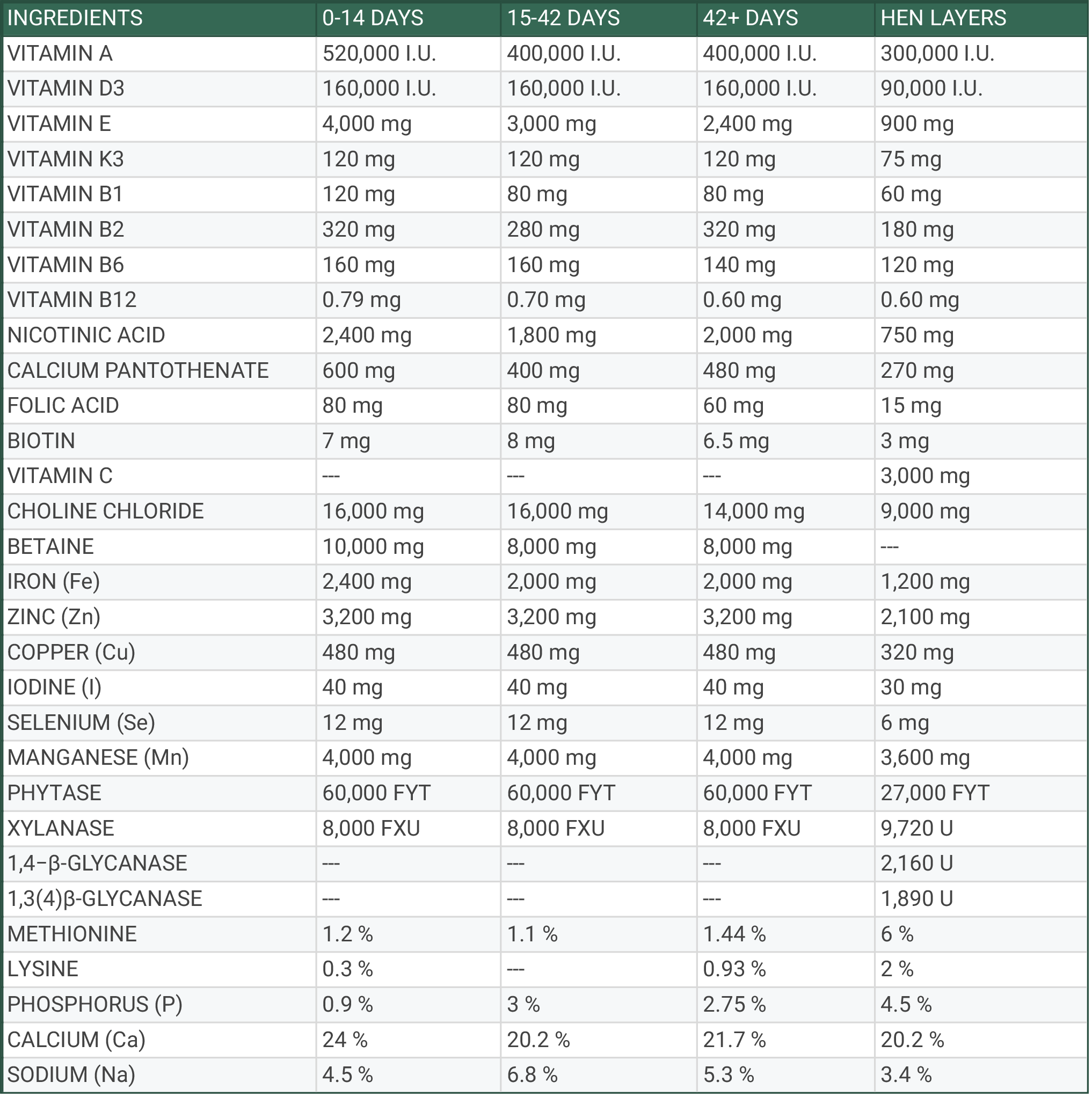
Analytical Ingredients / %
Minerals mg / Kg
Vitamins IU / Kg
Modern poultry farming requires a precise nutritional balance to achieve optimal growth, efficient feed conversion, and consistent production quality. As poultry genetics advance, the nutrient demands of birds have increased beyond what traditional feed ingredients can supply. Multistage vitamin–mineral premixes, such as the POULTRY MIX range, are scientifically developed to meet these evolving requirements across every stage of a bird’s life cycle — from chick to layer.
Vitamins and trace elements play essential roles in metabolism, immunity, reproduction, and skeletal development. Deficiencies, even at low levels, can impair feed efficiency, growth rate, and resistance to disease.
The POULTRY MIX formulations provide a comprehensive blend of macro-minerals (Ca, P, Mg, Na) and microelements (Zn, Mn, Cu, Se, I), ensuring correct mineralization of bones, eggshell formation, and enzymatic activity essential for metabolism.
Vitamins A, D₃, E, K₃, and the B-complex group contribute to stronger immunity, improved fertility, and efficient energy utilization — vital in intensive production systems.
Poultry feeds often contain anti-nutritional factors that limit nutrient absorption, such as phytates in grains. Enzymes like phytase, xylanase, and β-glucanases, integrated into POULTRY MIX, degrade these compounds, increasing the bioavailability of phosphorus, amino acids, and energy.
This enzymatic fortification leads to improved feed conversion ratio (FCR), reduced feed costs, and lower environmental phosphorus excretion.
Natural oregano extract provides antimicrobial and antioxidant activity, reducing the prevalence of gut pathogens and improving intestinal health. Combined with Carophyll carotenoids, it enhances pigmentation, giving eggs and skin a desirable color while contributing to oxidative stability and product quality.
Additionally, biotin, folic acid, and choline chloride support hepatic metabolism and reproductive efficiency, preventing fatty liver and ensuring high hatchability and egg fertility.
Nutrient requirements vary with the physiological stage of the bird:
0–14 days (Starter): Focuses on skeletal and immune system development.
15–42 days (Grower): Supports rapid muscle growth and digestive efficiency.
42+ days (Finisher): Optimizes carcass composition and final body weight.
Layer hens: Maintains egg production persistence, shell strength, and reproductive health.
By tailoring formulations to each phase, POULTRY MIX ensures precise nutrient delivery that matches the bird’s metabolic and physiological needs.
Modern poultry farming emphasizes efficiency, health, and sustainability. Using high-quality, stage-specific premixes like POULTRY MIX promotes:
Healthier flocks with reduced antibiotic dependence.
Improved feed utilization, minimizing waste and emissions.
Higher productivity and consistent quality of meat and eggs.
The integration of multistage vitamin–mineral premixes into poultry diets is not a luxury — it is a scientific necessity. By combining advanced enzyme systems, organic minerals, essential vitamins, and functional plant extracts, POULTRY MIX provides a holistic nutritional solution that enhances growth, strengthens immunity, and supports long-term productivity.
It represents the new standard of precision poultry nutrition, bridging science and performance for modern, efficient, and sustainable poultry production.
Copper
Calcium
Calcium is the main component of bones and teeth. It has chief metabolic functions in the animal bodies and is also essential for muscle activity, skeleton, blood clotting, nerve transmission and dynamics of enzyme function. Calcium metabolism at calving is one of the most important animal health factors influencing the production, reproduction and feed conversion efficiency as it plays a major role in the absorption of nutrients (modification of the cell permeability).
Iron
Iron is essential for a wide variety of the metabolic processes of living organisms, due to its chemical transitional property. Iron is present in the different forms of heme and the iron-sulfur (Fe-S) cluster binding protein, which plays an important role in various enzymatic reactions such as aerobic respiration, TCA-cycle function and DNA synthesis as well as oxygen transport and storage. It is a substantial component of red blood cells participating to the blood’s structure and improves the functioning of organs and tissues.
Iodine
Zinc
Zinc is an essential nutrient for animals, functioning in enzyme systems and being involved in protein synthesis, carbohydrate metabolism, and many other biochemical reactions. Severe zinc deficiency causes numerous pathological changes, including skin parakeratosis, reduced or cessation of growth, general debility, lethargy, and increased susceptibility to infection.
Sodium
Phosphorus
Phosphorus is very important for all animals for healthy muscles, bones and teeth development, steady digestion, healthy function of the energy metabolism and is an inevitable macro element for reproduction. Deficiency of Phosphor will cause the body to use up phosphor reserve in bone tissues as compensation, however if it isn’t replenished in a short period, issues will arise in all bodily functions and will cause the animals to eat objects with no nutritional value.
Selenium
Selenium is a component of glutathione peroxidase, an enzyme for the removal of lipid peroxides. Selenium is very important in fertility and helps muscular development. Se is also a component of two other selenoproteins. The midpiece of sperm requires selenoprotein. Microbes in the rumen replace S with Se in their S-containing amino acid synthesis. They are absorbed in the duodenum as amino acids. White muscle disease and exudative diathesis are two Se deficiency symptoms, which can be treated with both vitamin E and Se. Deficient animals also show liver necrosis. Selenium prevents oxidative damage to tissues by offering an antioxidant action and protects against cell damage.