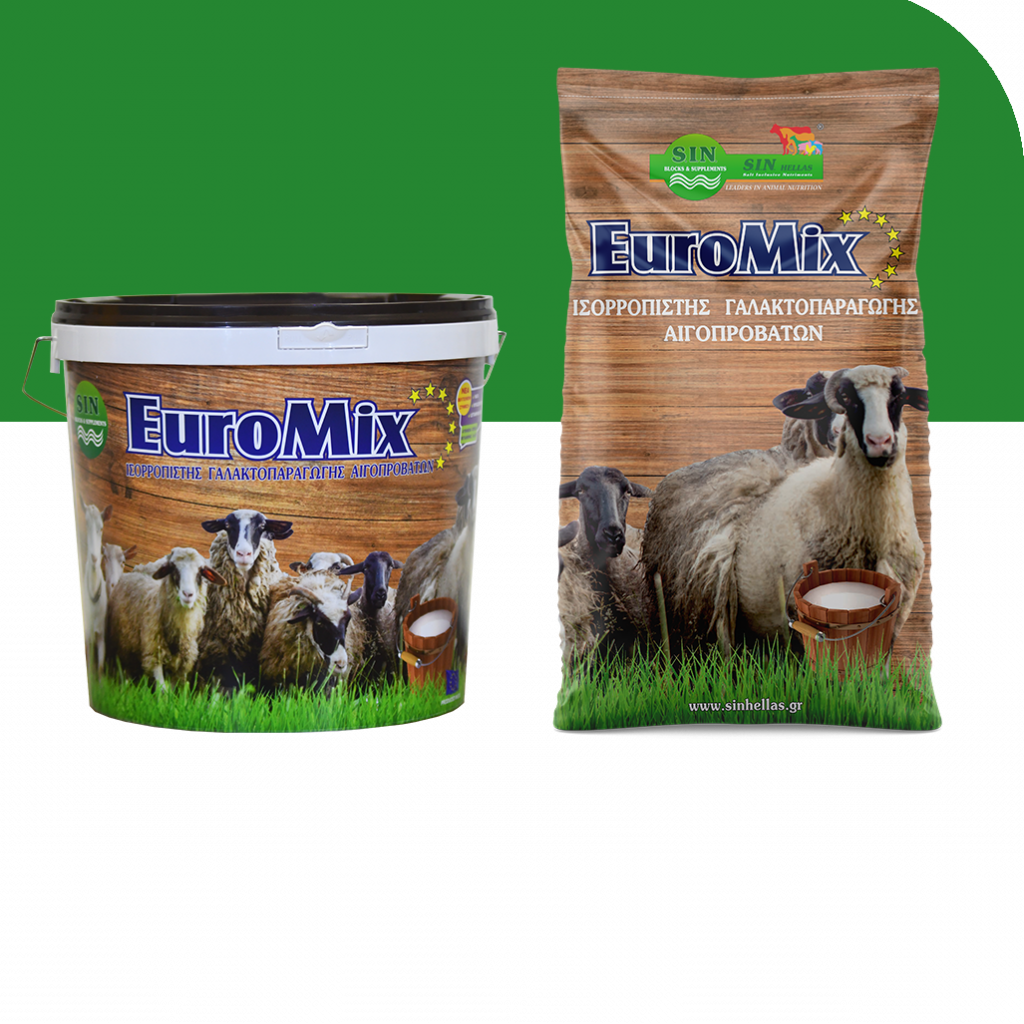
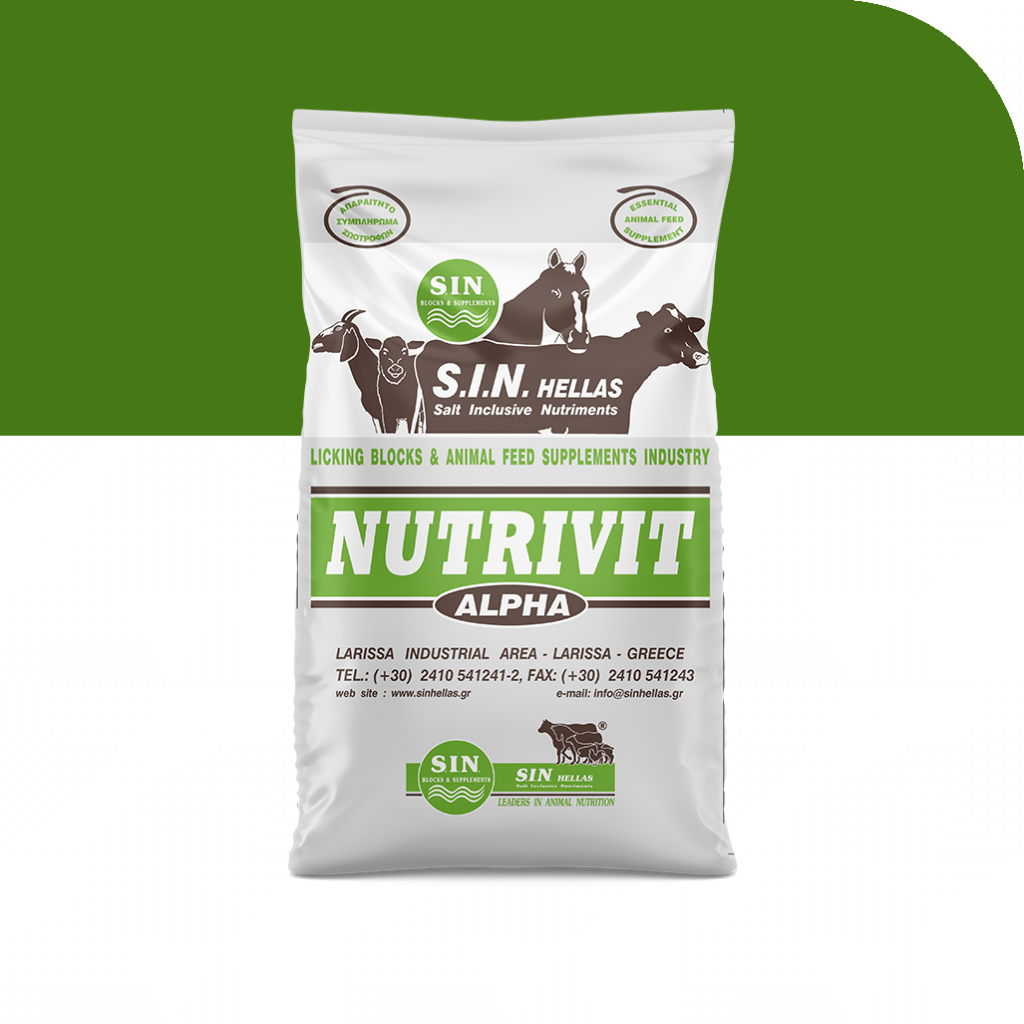
Paper bag
25kg Sack
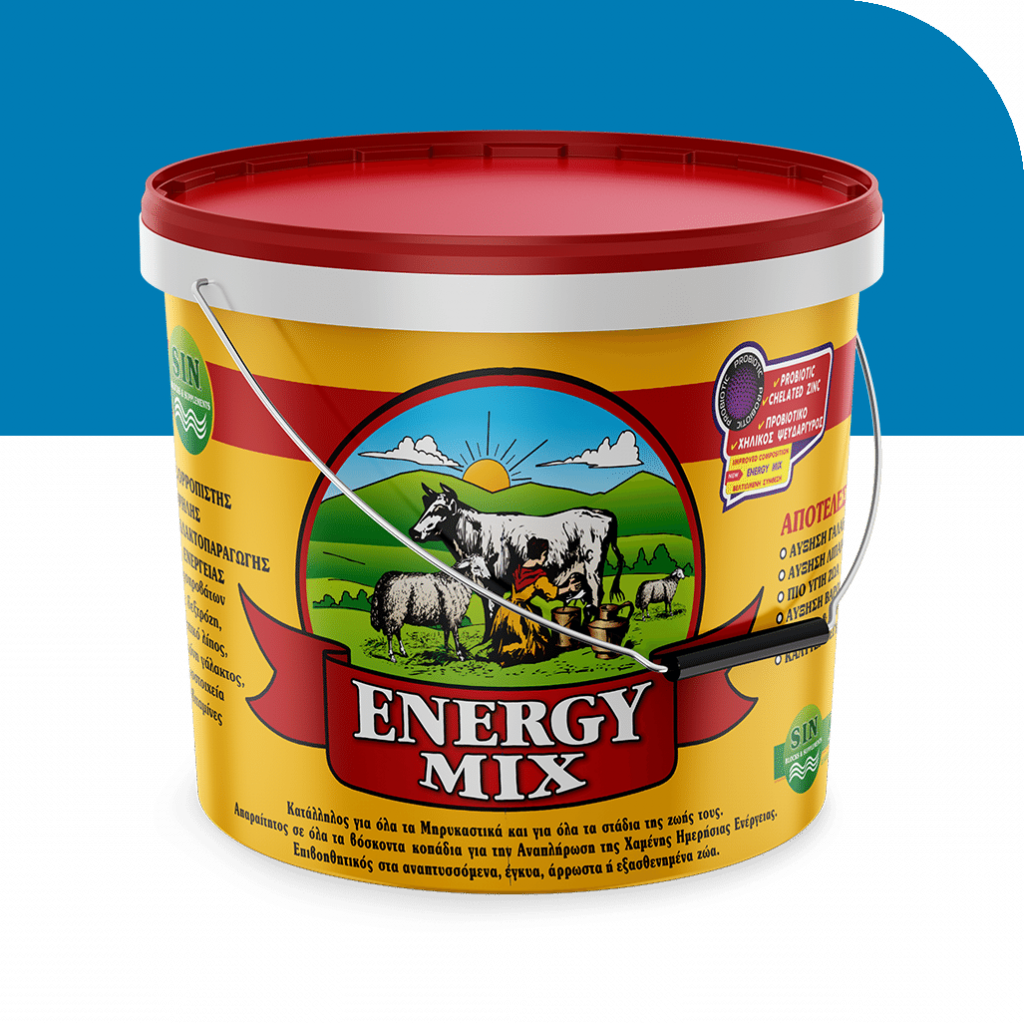
Supplied in a 20 kg plastic bucket with handle for easy transport and daily use.
NUTRIVIT PLUS is a highly concentrated premix designed to provide livestock with essential minerals, vitamins, and nutrients required for optimal growth, higher productivity, and overall performance. Its carefully balanced formulation enhances feed efficiency, nutrient absorption, and general well-being.
Ingredients include Calcium Carbonate, Sodium Carbonate, Dicalcium Phosphate, Attapulgite (Toxin Binder), Wheat Middlings, Carob Meal, Molasses, Dry Yeast, Sodium Bicarbonate, and Magnesium Oxide, combining energy, minerals, and detoxifying components to support digestive health and metabolic balance.
Analytical Ingredients / %
Calcium (Ca): 21%
Sodium (Na): 10%
Phosphorus (P): 4%
Magnesium (Mg): 2%
Minerals mg / Kg
Manganese (Mn) 5.000mg: 20%
Iron (Fe) 2.500mg: 10%
Zinc (Zn) 1.515mg: 30%
Iodine (I) 313mg: 40%
Cobalt (Co) 19mg: 20%
Selenium (Se) 9.4mg: 10%
Butylated hydroxytoluene (BHT) 20mg: 1%
Propyl gallate 1,65mg: 1%
Silicic Acid 921mg: 1%
Vitamins IU / Kg
Vitamin A 500.000 IU: 20%
Vitamin D3 100.000 IU: 24%
Vitamin E 564mg: 10%
Calcium Carbonate, Sodium carbonate, Dicalcium Phosphate, Attapulgite (Toxin binding), Wheat Middlings, Carob Meal, Molasses, Dry Yeast, Sodium Bicarbonate, Magnesium Oxide
Copper
Calcium
Calcium is the main component of bones and teeth. It has chief metabolic functions in the animal bodies and is also essential for muscle activity, skeleton, blood clotting, nerve transmission and dynamics of enzyme function. Calcium metabolism at calving is one of the most important animal health factors influencing the production, reproduction and feed conversion efficiency as it plays a major role in the absorption of nutrients (modification of the cell permeability).
Cobalt
Iron
Iron is essential for a wide variety of the metabolic processes of living organisms, due to its chemical transitional property. Iron is present in the different forms of heme and the iron-sulfur (Fe-S) cluster binding protein, which plays an important role in various enzymatic reactions such as aerobic respiration, TCA-cycle function and DNA synthesis as well as oxygen transport and storage. It is a substantial component of red blood cells participating to the blood’s structure and improves the functioning of organs and tissues.
Iodine
Zinc
Zinc is an essential nutrient for animals, functioning in enzyme systems and being involved in protein synthesis, carbohydrate metabolism, and many other biochemical reactions. Severe zinc deficiency causes numerous pathological changes, including skin parakeratosis, reduced or cessation of growth, general debility, lethargy, and increased susceptibility to infection.
Magnesium
Magnesium is needed for more than 300 biochemical reactions in the body. It helps to maintain normal nerve and muscle function, supports a healthy immune system, keeps the heartbeat steady, and helps bones remain strong. It also helps adjust blood glucose levels. It aids in the production of energy and protein, improves the digestibility of feed and improves the reproduction.
Manganese
Manganese is concentrated in the animal bones. It is an important cofactor for many enzymes involved in energy and protein metabolism. Mn is also required for mucopolysaccharide synthesis. This is a major component in the organic matrix of bones. Consequently, deficient animals have normal tendon growth but slow bone growth. This leads to symptoms such as perosis in chicks and crooked calf in other animals.
Sodium
Phosphorus
Phosphorus is very important for all animals for healthy muscles, bones and teeth development, steady digestion, healthy function of the energy metabolism and is an inevitable macro element for reproduction. Deficiency of Phosphor will cause the body to use up phosphor reserve in bone tissues as compensation, however if it isn’t replenished in a short period, issues will arise in all bodily functions and will cause the animals to eat objects with no nutritional value.
Selenium
Selenium is a component of glutathione peroxidase, an enzyme for the removal of lipid peroxides. Selenium is very important in fertility and helps muscular development. Se is also a component of two other selenoproteins. The midpiece of sperm requires selenoprotein. Microbes in the rumen replace S with Se in their S-containing amino acid synthesis. They are absorbed in the duodenum as amino acids. White muscle disease and exudative diathesis are two Se deficiency symptoms, which can be treated with both vitamin E and Se. Deficient animals also show liver necrosis. Selenium prevents oxidative damage to tissues by offering an antioxidant action and protects against cell damage.