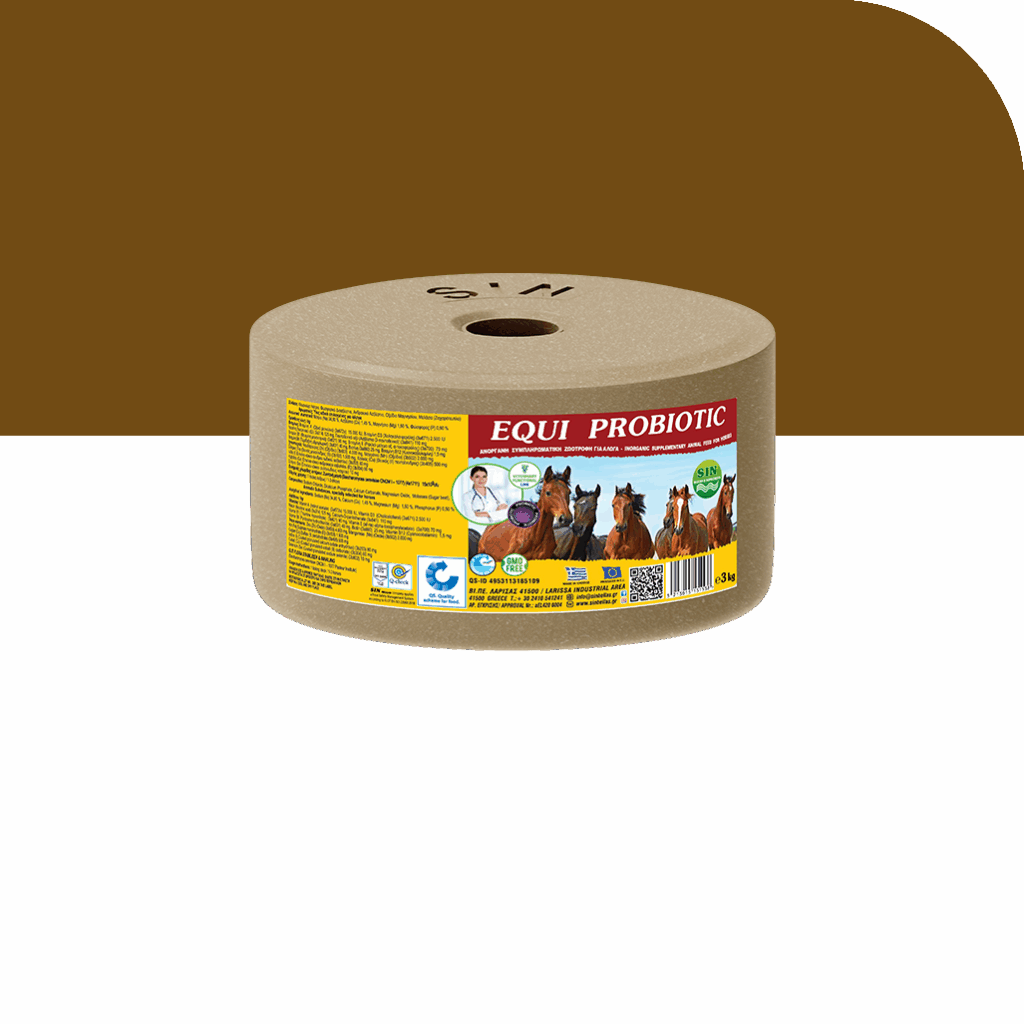
Box of 4pcs x 3kg
3kg blocks wrapped in plastic film in box of 4pcs x 3kg
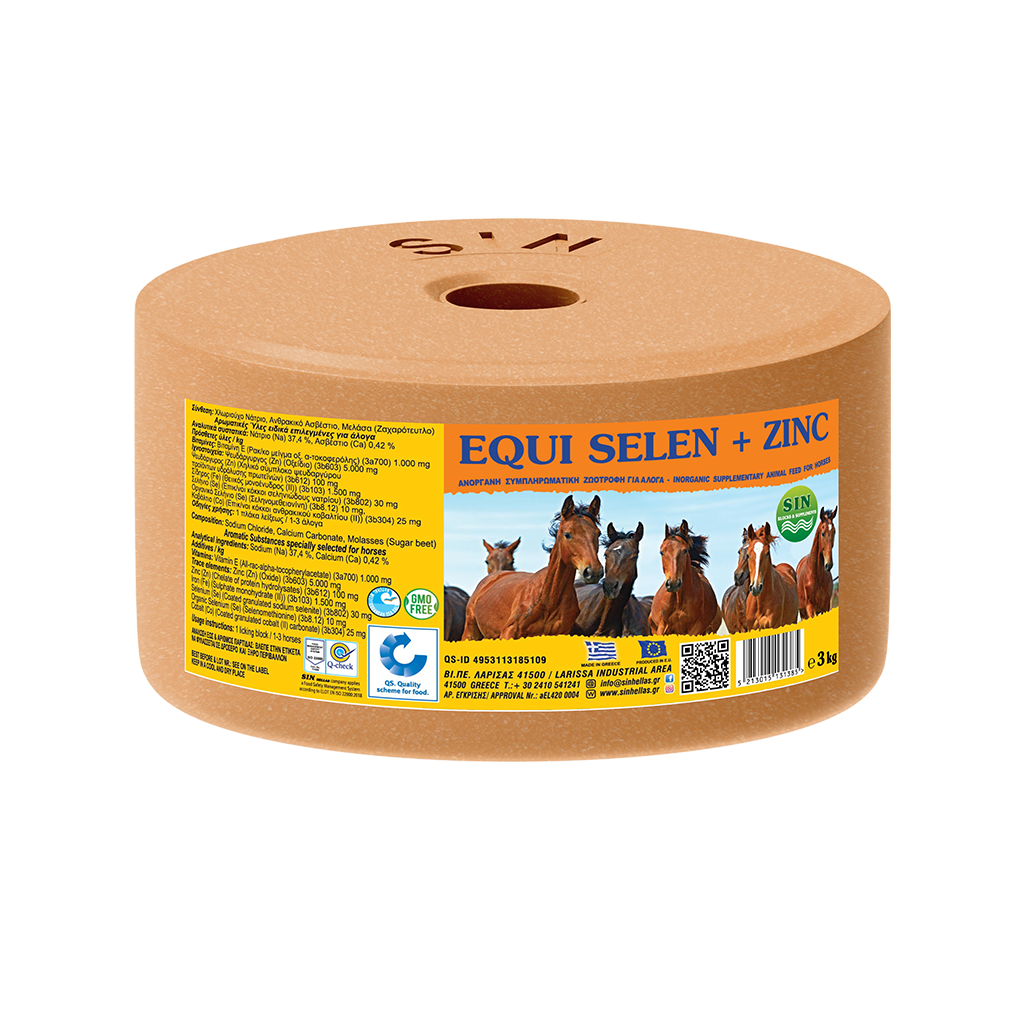
EQUI SELEN ZINC is a specialized equine supplement designed to strengthen antioxidant defenses, support muscle function, and enhance overall health. Formulated with Sodium, Calcium, premium trace elements, essential vitamins, natural molasses, and concentrated Zinc & Selenium, it provides the nutrients horses require to maintain cellular protection, metabolic balance, and performance readiness.
This formula combines organic Selenium (high bioavailability) and high-quality Zinc sources, ensuring superior absorption and effectiveness, even during periods of stress, training, growth, or recovery.
Analytical Ingredients / %
Sodium (Na): 38%
Calcium (Ca): 2%
Minerals mg / Kg
Zinc (Zn) (Oxide) (3b603) 5.000 mg: 50%
Zinc (Zn) (Chelate of protein hydrolysates) (3b612) 100 mg: 10%
Iron (Fe) (Sulphate monohydrate (II)) (3b103) 1.500 mg: 8%
Selenium (Se) (Coated granulated sodium selenite) (3b802) 30 mg: 7%
Organic Selenium (Se) (Selenomethionine) (3b8.12) 10 mg: 6%
Cobalt (Co) (Coated granulated cobalt (II) carbonate) (3b304) 25 mg: 5%
Vitamins IU / Kg
Vitamin E (All-rac-alpha-tocopherylacetate) (3a700) 1.000 mg: 5%
Sodium Chloride, Calcium Carbonate, Molasses (Sugar beet)
Selenium is a critical component of antioxidant enzymes that protect muscle cells from oxidative stress. Deficiency can lead to:
muscle degeneration,
lowered immunity,
reproductive deficiencies.
Organic Selenium forms (e.g., selenomethionine) are significantly more bioavailable than inorganic forms, making them more effective in preventing deficiency.
Zinc regulates:
immune function,
tissue repair,
skin and hoof formation,
enzyme activity (over 200 enzymatic reactions).
Deficiency manifests as poor coat quality, cracked hooves, and weakened immunity.
Together, Selenium + Zinc form one of the most important antioxidant and metabolic combinations in equine nutrition.
Sport horses in training or competition
Horses prone to muscle soreness or tying up
Horses with poor hoof quality or skin issues
Horses with weak immunity or under stress
Breeding stallions and broodmares
Box of 4pcs x 3kg
3kg blocks wrapped in plastic film in box of 4pcs x 3kg
Calcium
Calcium is the main component of bones and teeth. It has chief metabolic functions in the animal bodies and is also essential for muscle activity, skeleton, blood clotting, nerve transmission and dynamics of enzyme function. Calcium metabolism at calving is one of the most important animal health factors influencing the production, reproduction and feed conversion efficiency as it plays a major role in the absorption of nutrients (modification of the cell permeability).
Cobalt
Iron
Iron is essential for a wide variety of the metabolic processes of living organisms, due to its chemical transitional property. Iron is present in the different forms of heme and the iron-sulfur (Fe-S) cluster binding protein, which plays an important role in various enzymatic reactions such as aerobic respiration, TCA-cycle function and DNA synthesis as well as oxygen transport and storage. It is a substantial component of red blood cells participating to the blood’s structure and improves the functioning of organs and tissues.
Zinc
Zinc is an essential nutrient for animals, functioning in enzyme systems and being involved in protein synthesis, carbohydrate metabolism, and many other biochemical reactions. Severe zinc deficiency causes numerous pathological changes, including skin parakeratosis, reduced or cessation of growth, general debility, lethargy, and increased susceptibility to infection.
Sodium
Selenium
Selenium is a component of glutathione peroxidase, an enzyme for the removal of lipid peroxides. Selenium is very important in fertility and helps muscular development. Se is also a component of two other selenoproteins. The midpiece of sperm requires selenoprotein. Microbes in the rumen replace S with Se in their S-containing amino acid synthesis. They are absorbed in the duodenum as amino acids. White muscle disease and exudative diathesis are two Se deficiency symptoms, which can be treated with both vitamin E and Se. Deficient animals also show liver necrosis. Selenium prevents oxidative damage to tissues by offering an antioxidant action and protects against cell damage.
Vitamin E
Vitamin E has been shown to be essential for integrity and optimum function of reproductive, muscular, circulatory, nervous, and immune systems. One of the most important functions is its role as an intercellular and intracellular antioxidant. Vitamin E is part of the body’s intracellular defense against the adverse effects of reactive oxygen and free radicals that initiate oxidation of unsaturated phospholipids and critical sulfhydryl groups.