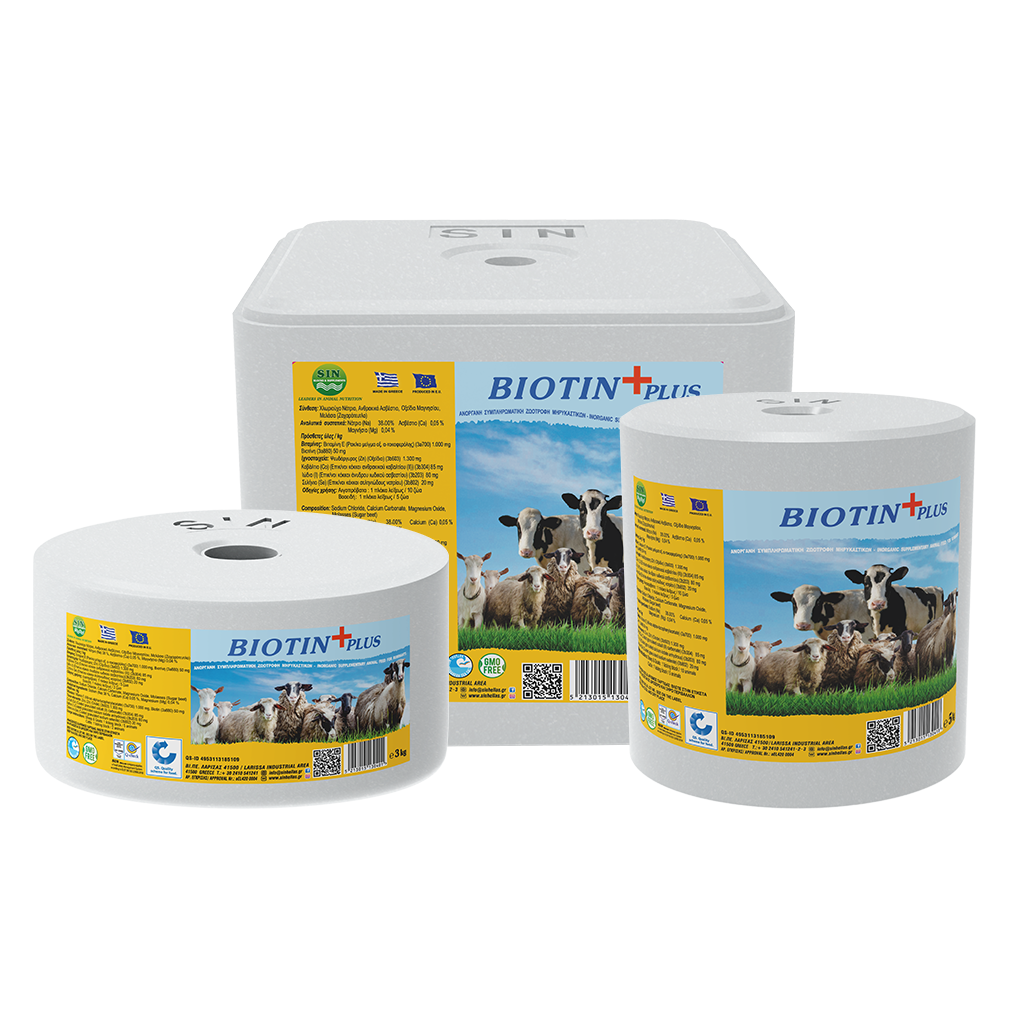
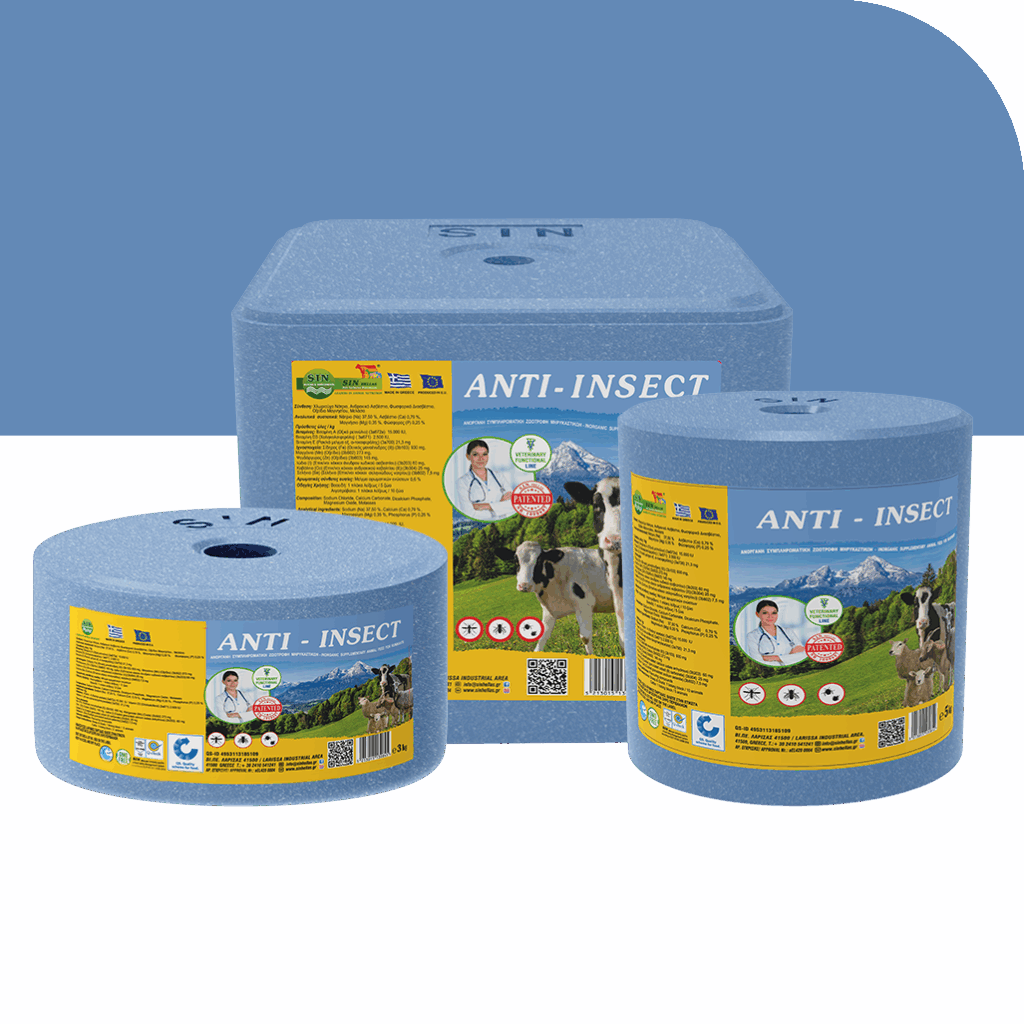
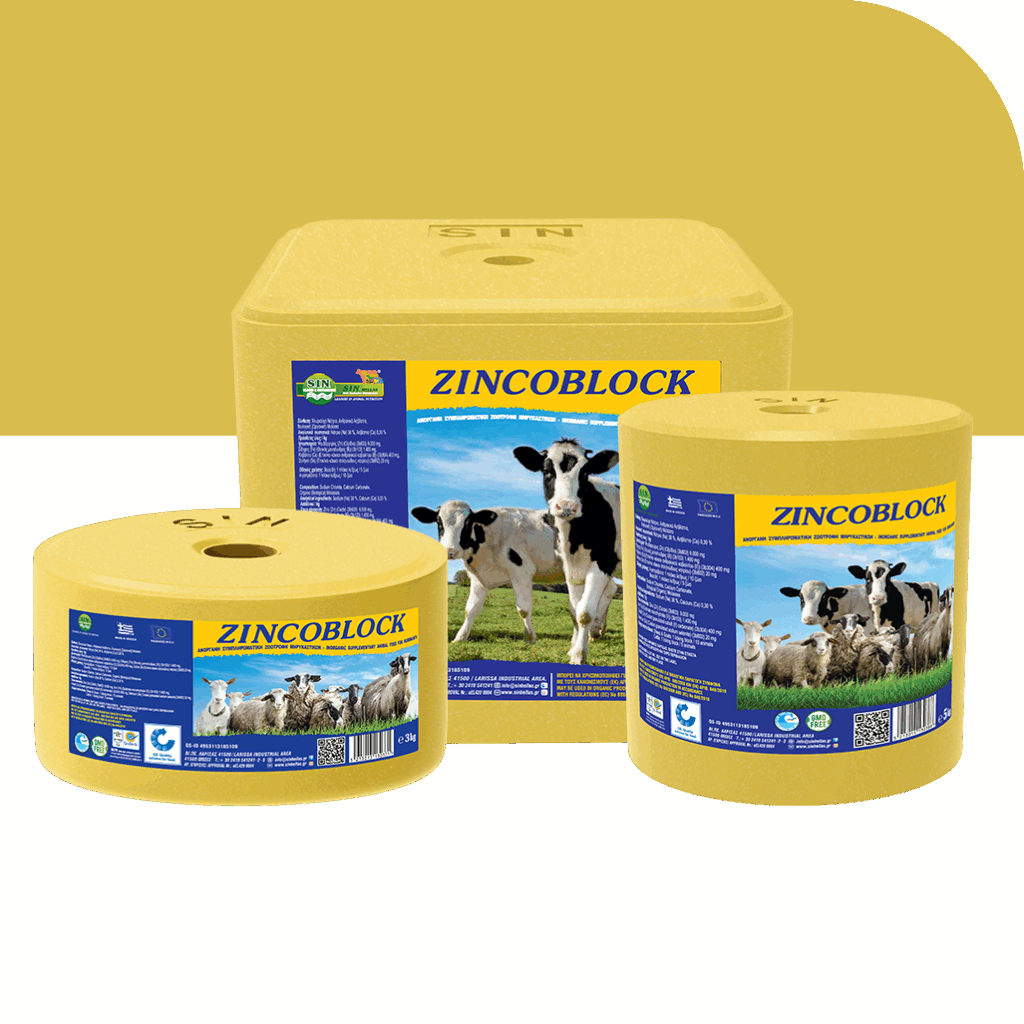
Box of 4pcs x 3kg
3kg blocks wrapped in plastic film in box of 4pcs x 3kg
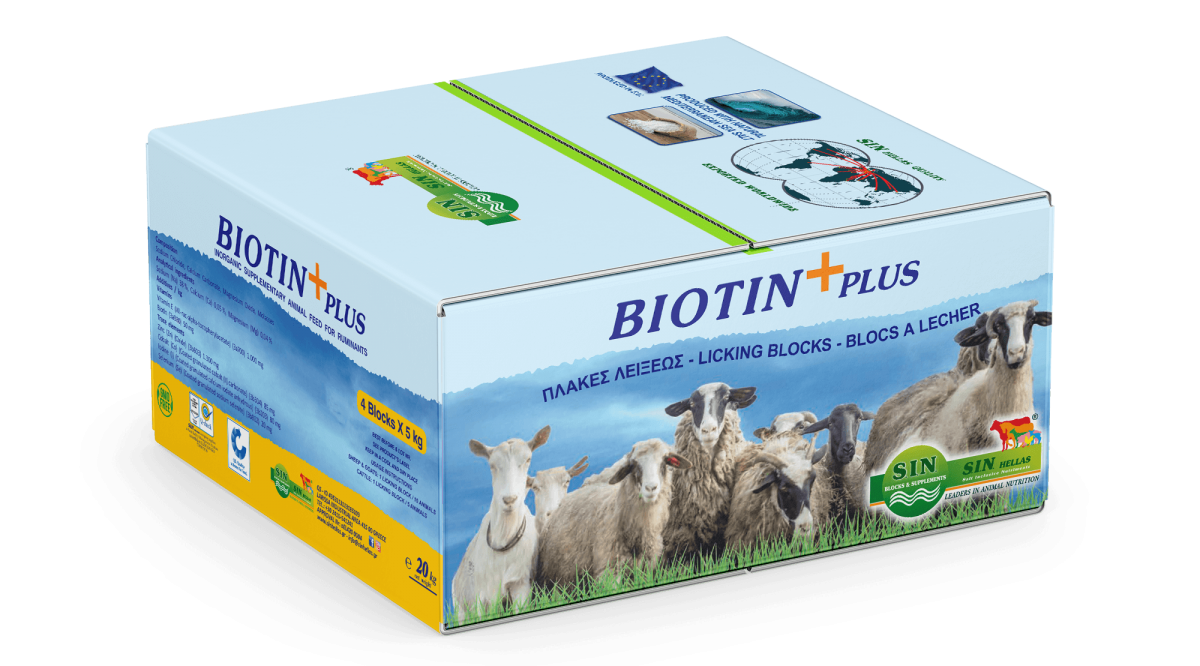
Box of 4pcs x 5kg
5kg blocks wrapped in plastic film in box of 4pcs x 5kg
10kg block
Individually shrink wrapped 10kg block with handling strap.
BIOTIN PLUS is a high-performance mineral and vitamin supplement specially formulated to support hoof health, skin and coat quality, and overall animal well-being. Enriched with biotin, zinc, cobalt, iodine, selenium, and Vitamin E, it promotes strong hooves, healthy skin, and high-quality wool or hair, while enhancing milk production, meat quality, and reproductive performance.
By supporting metabolic efficiency and ruminal Vitamin B₁₂ synthesis, BIOTIN PLUS ensures optimal feed utilization and energy balance, helping animals maintain vitality and productivity, even under stress or high production demands. It is ideal for young, pregnant, lactating, or recovering animals, ensuring healthier, more resilient, and productive livestock.
Analytical Ingredients / %
Sodium (Na): 38%
Calcium (Ca) : 1%
Magnesium (Mg) 0,0: 1%
Minerals mg / Kg
Zinc (Zn) (Oxide) (3b603) 1.300 mg: 13%
Cobalt (Co) (Coated granulated cobalt (II) carbonate) (3b304) 85 mg: 85%
lodine (1) (Coated granulated calcium iodate anhydrous) (3b203) 80 mg: 80%
selenium (Se) (Coated granulated sodiumselenite) (3b802) 20 mg: 20%
Vitamins IU / Kg
Vitamin E (All-rac-alpha-tocopherylacetate) (3a700) 1.000 mg: 1%
Biotin (3a880) 50 mg: 50%
Sodium Chloride, Calcium Carbonate, Magnesium Oxide, Molasses (Sugar beet)
Biotin (Vitamin B7) is a water-soluble vitamin essential for numerous metabolic pathways in ruminants, including fatty acid synthesis, energy metabolism, and amino acid utilization. Deficiencies in biotin can lead to hoof disorders, poor skin and coat quality, decreased milk production, and compromised immunity, all of which reduce overall productivity and animal welfare.
Composition and Key Nutrients
BIOTIN PLUS is a high-performance mineral and vitamin supplement containing Biotin (50 mg), Sodium (38%), Calcium (1%), Magnesium (1%), Zinc (1,300 mg), Cobalt (85 mg), Iodine (80 mg), Selenium (20 mg), and Vitamin E (1,000 mg). The combination of trace elements, vitamins, and biotin ensures optimal absorption and bioavailability, supporting both metabolic and structural functions.
Hoof, Skin, and Coat Health
Biotin, together with Zinc, Cobalt, and Selenium, plays a central role in keratin synthesis and cell proliferation, promoting strong hooves, healthy skin, and high-quality hair or wool. Regular supplementation helps prevent hoof lesions, cracks, and dermatitis, improving mobility and animal comfort.
Metabolic and Reproductive Benefits
Biotin is critical for energy and carbohydrate metabolism, supporting milk synthesis and overall metabolic efficiency. Selenium and Vitamin E act as antioxidants, protecting cells from oxidative stress during periods of high milk production, growth, or environmental stress. Cobalt supports ruminal synthesis of Vitamin B₁₂, enhancing feed utilization, energy balance, and reproductive performance.
Immune Support and Disease Prevention
The trace elements in BIOTIN PLUS, particularly Zinc and Selenium, contribute to a robust immune system, reducing the incidence of mastitis and other metabolic or infectious diseases. Biotin itself also supports enzymatic pathways that protect tissues and maintain overall health.
Practical Use
Administered as a licking block, BIOTIN PLUS allows animals to self-regulate intake, ensuring consistent supply of essential nutrients. It is suitable for all classes of ruminants, including high-producing, young, pregnant, or stressed animals.
Conclusion
BIOTIN PLUS is a scientifically formulated supplement that integrates biotin, trace minerals, and vitamins to improve hoof integrity, skin and coat quality, metabolic efficiency, immunity, and reproductive performance. Its consistent use contributes to healthier, more productive livestock and supports sustainable, high-performance farming systems.
Calcium
Calcium is the main component of bones and teeth. It has chief metabolic functions in the animal bodies and is also essential for muscle activity, skeleton, blood clotting, nerve transmission and dynamics of enzyme function. Calcium metabolism at calving is one of the most important animal health factors influencing the production, reproduction and feed conversion efficiency as it plays a major role in the absorption of nutrients (modification of the cell permeability).
Cobalt
Iodine
Zinc
Zinc is an essential nutrient for animals, functioning in enzyme systems and being involved in protein synthesis, carbohydrate metabolism, and many other biochemical reactions. Severe zinc deficiency causes numerous pathological changes, including skin parakeratosis, reduced or cessation of growth, general debility, lethargy, and increased susceptibility to infection.
Magnesium
Magnesium is needed for more than 300 biochemical reactions in the body. It helps to maintain normal nerve and muscle function, supports a healthy immune system, keeps the heartbeat steady, and helps bones remain strong. It also helps adjust blood glucose levels. It aids in the production of energy and protein, improves the digestibility of feed and improves the reproduction.
Sodium
Selenium
Selenium is a component of glutathione peroxidase, an enzyme for the removal of lipid peroxides. Selenium is very important in fertility and helps muscular development. Se is also a component of two other selenoproteins. The midpiece of sperm requires selenoprotein. Microbes in the rumen replace S with Se in their S-containing amino acid synthesis. They are absorbed in the duodenum as amino acids. White muscle disease and exudative diathesis are two Se deficiency symptoms, which can be treated with both vitamin E and Se. Deficient animals also show liver necrosis. Selenium prevents oxidative damage to tissues by offering an antioxidant action and protects against cell damage.
Vitamin A
Vitamin A is necessary for support of growth, health and life of major animal species. In the absence of vitamin A, animals will cease to grow and eventually die. Vitamin A and its derivatives, the retinoids, have a profound influence on organ development, cell proliferation, and cell differentiation and their deficiency originates or predisposes animals to a number of disabilities.
Vitamin D3
Vitamin D the primary function of Vitamin D is to elevate plasma calcium and phosphorus to a level that will support normal mineralization of bone as well as other body functions. It is now realized that Vitamin D is not only important for mineralization and skeletal growth but has many other roles in regulation of the parathyroid gland, in the immune system, in skin, cancer prevention, in metabolism of foreign chemicals and in cellular development and differentiation.
Vitamin E
Vitamin E has been shown to be essential for integrity and optimum function of reproductive, muscular, circulatory, nervous, and immune systems. One of the most important functions is its role as an intercellular and intracellular antioxidant. Vitamin E is part of the body’s intracellular defense against the adverse effects of reactive oxygen and free radicals that initiate oxidation of unsaturated phospholipids and critical sulfhydryl groups.