Mycotoxins are toxic secondary metabolites produced by certain fungi, commonly present in cereal grains and animal feed. These compounds pose a major threat to livestock health, as they can suppress immune function, hinder nutrient absorption, reduce growth rates, and impair reproductive performance. Long-term exposure may also result in organ damage, decreased milk production, and higher vulnerability to diseases, leading to significant economic losses for producers.
Mechanism of Action
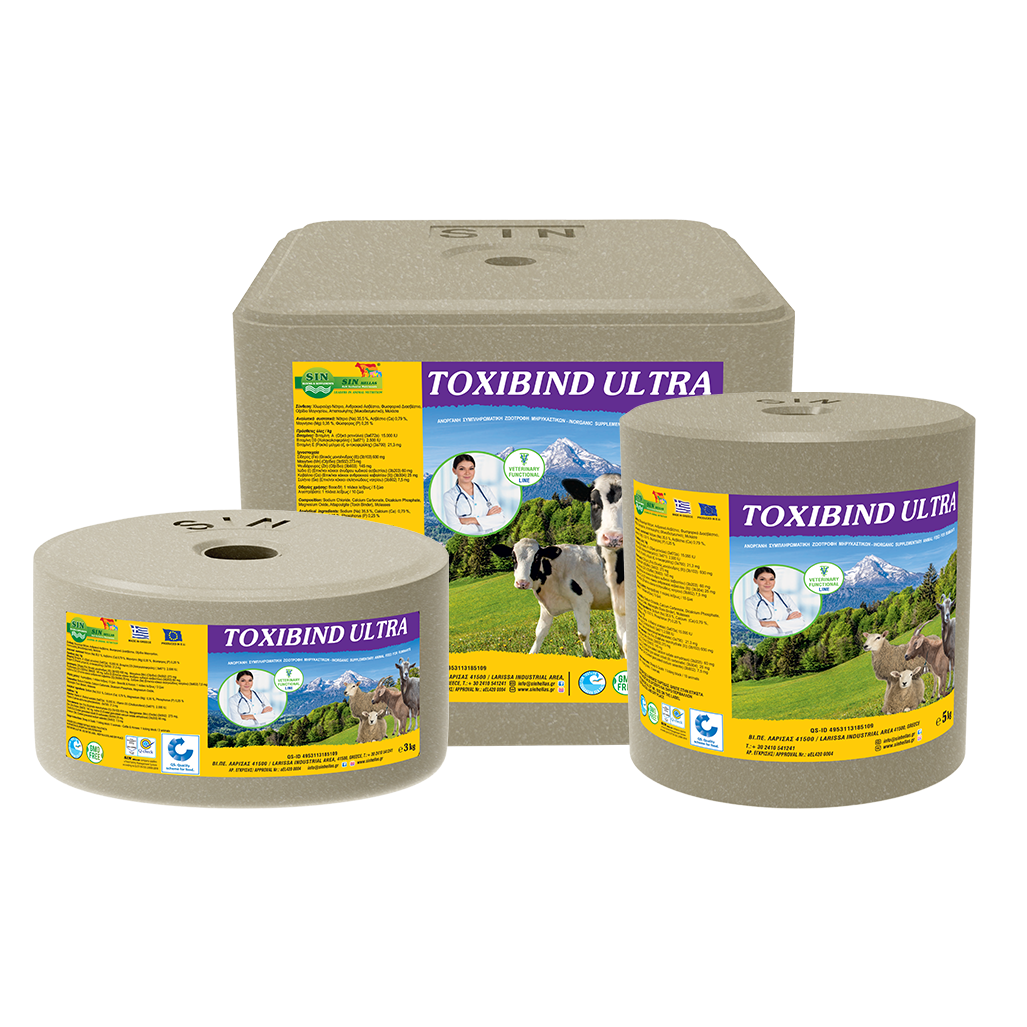
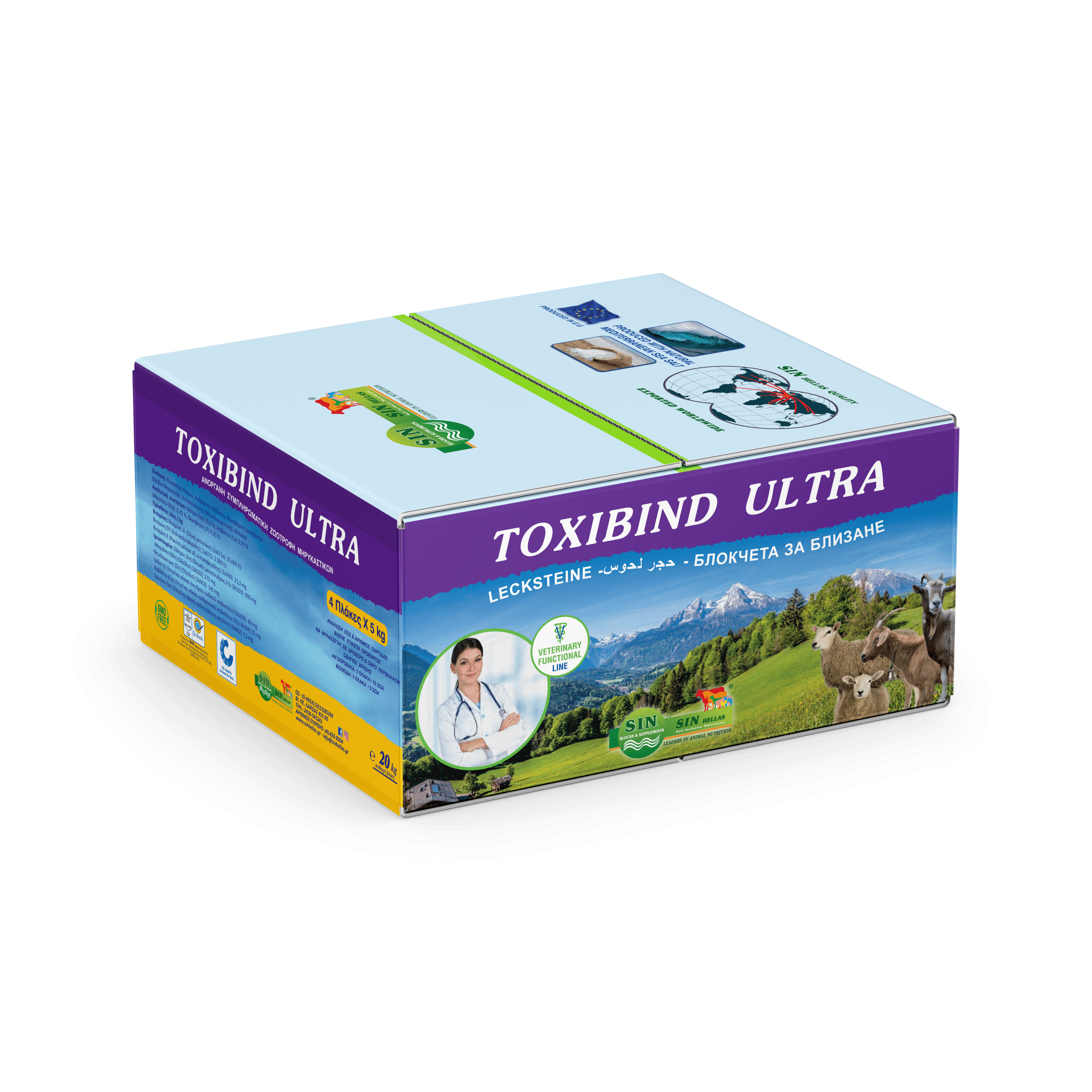
Mycotoxin binding blocks, such as TOXIBIND ULTRA, are formulated with advanced adsorbent materials that can bind or neutralize mycotoxins in the gastrointestinal tract. By stopping their absorption, these blocks lessen the toxic burden on the liver and other organs, thereby safeguarding essential physiological functions.
In addition to mycotoxin adsorption, these blocks supply important minerals and trace elements, which support immune strength, metabolic performance, and digestive efficiency. This combined effect helps animals maintain healthy growth, milk production, and overall vitality even when feed contamination occurs.
Health and Productivity Benefits
Regular use of mycotoxin binding blocks provides several significant advantages:
-
Enhanced immune system function, enabling animals to better withstand infectious and metabolic stress.
-
Improved digestive efficiency, resulting in better nutrient absorption and feed conversion.
-
Lower risk of mycotoxin-related disorders, including liver damage, reproductive problems, and reduced fertility.
-
Maintained performance and productivity, supporting optimal growth, weight gain, and milk yield.
Practical Use
Delivered as a licking block, mycotoxin binders offer a consistent, self-regulated intake of protective agents along with minerals and trace elements. This format ensures continuous protection, even in animals consuming feeds with varying levels of contamination, and is suitable for all classes of ruminants and other livestock.
Conclusion
Mycotoxin binding blocks offer a scientifically proven solution to one of the most persistent challenges in modern livestock farming. By binding toxic compounds, supporting metabolic and immune functions, and enhancing digestive health, these blocks help producers maintain healthy, productive, and resilient herds, even when feed contamination is unavoidable.